AI Is Taking Website Traffic | Here’s How Small Sites Still Win in 2026

If your website traffic feels unpredictable lately, you’re not imagining it.
In 2026, AI is changing how people search, how Google shows results, and how visitors find websites.
But here’s the part most people are missing: small websites are not dead. They just have to play a smarter game.
What Changed: AI Is Now Part of Search
Search didn’t disappear in 2026 — it evolved.
For years, the search model was simple: you typed a question, you clicked a link, you visited a website. Today, AI is sitting in the middle of that process. Instead of only showing links, search engines now generate summaries, direct answers, and quick explanations before users ever click through.
That means yes — some simple searches don’t generate clicks the way they used to. If someone asks a basic definition or a quick fact, AI can often answer it instantly. But here’s what matters: people didn’t stop searching. They just started searching differently.
Discovery still happens every day. Users still want depth, real experiences, comparisons, opinions, and guidance before they make decisions. AI might answer what something is, but people still need websites to explain what it means for them, and this is where small websites have a real opportunity.
The sites losing traffic are usually the ones that only repeated information that already existed everywhere else. The sites gaining traction are the ones sharing real-world experience, testing products, explaining complex ideas simply, and speaking like humans instead of textbooks.
This is not a traffic apocalypse. It’s a filter.
Search is moving away from “who wrote the most content” and toward “who actually helped the reader.”
In 2026, the winning mindset isn’t panic — it’s adaptation. AI didn’t eliminate websites. It raised the bar for what content needs to be, and for smaller, experience-driven sites, that shift is not bad news. It’s leverage.
The New Term You’ll Hear in 2026: GEO (Generative Engine Optimization)

In 2026, you’ll hear a new term alongside SEO: GEO — Generative Engine Optimization.
If SEO is about ranking in search results, GEO is about being included in AI-generated answers.
Search engines now use AI to summarize information, compare sources, and generate responses. That means websites aren’t just competing for page-one rankings anymore — they’re competing to become trusted sources AI systems pull from.
The good news? This shift actually helps smaller, high-quality websites.
AI systems tend to favor content that is:
Clear and direct
Written in a natural, human voice
Based on real experience or real use
Focused on specific topics or niches
Mass-produced, generic content struggles here. But focused, experience-based content — the kind most small sites create — is exactly what AI systems are looking for.
In simple terms, you don’t need to be the biggest site. You need to be the most useful.
How Small Sites Still Win Traffic in 2026

Small websites are still growing in 2026 — but the way they grow feels a little more intentional, and honestly, a little more human.
Real experience matters more than perfectly polished information.
People don’t just want facts anymore. They want to know what actually worked for someone in real life. Content based on real use, real results, and real testing builds trust faster than generic summaries ever could — with readers and with AI.
Depth beats randomness.
Instead of posting about everything, strong sites go deeper into topics they truly understand. Think of it like building neighborhoods instead of throwing houses everywhere. For example: a gut health content series, a burnout and energy series, or a supplements and recovery series. When your content connects, your authority grows.
Specific searches are where real traffic — and real readers — live.
People don’t search like textbooks. They search like humans.
Someone is more likely to search “best magnesium for sleep for women over 40” than “magnesium benefits.” The more specific the search, the closer that person usually is to taking action.
The biggest safety net is still your own audience.
Email lists, Pinterest traffic, direct visitors, and communities create stability. Algorithms change. Platforms change. But when people choose to come back to you directly, your growth becomes much more predictable.
In 2026, small sites don’t win by trying to be everywhere.
They win by being trusted somewhere.
What Is NOT Working Anymore

Let’s be very honest here — because this is where a lot of people are still wasting time.
Thin AI content is not working anymore.
If a post sounds like it was written to fill space instead of help someone, readers feel it immediately. Now, search engines and AI systems are getting better at spotting it too. If content doesn’t add perspective, experience, or clarity, it gets ignored.
Generic “Top 10 Tips” posts are losing power.
Not because lists are bad — but because recycled lists are everywhere. If a post could exist on a thousand other websites without changing a single word, it’s not going to stand out. People want specifics. They want context. They want to know why something works and who it actually helps.
Keyword stuffing is officially dead.
Writing the same keyword over and over doesn’t help rankings anymore. It just makes content feel unnatural and hard to read. Modern search rewards content that sounds like a real person explaining something clearly — not like a robot repeating the same phrase.
In 2026, the rule is simple:
If your content genuinely helps someone understand something better, you’re already ahead of most of the internet.
The Smart 2026 Website Strategy
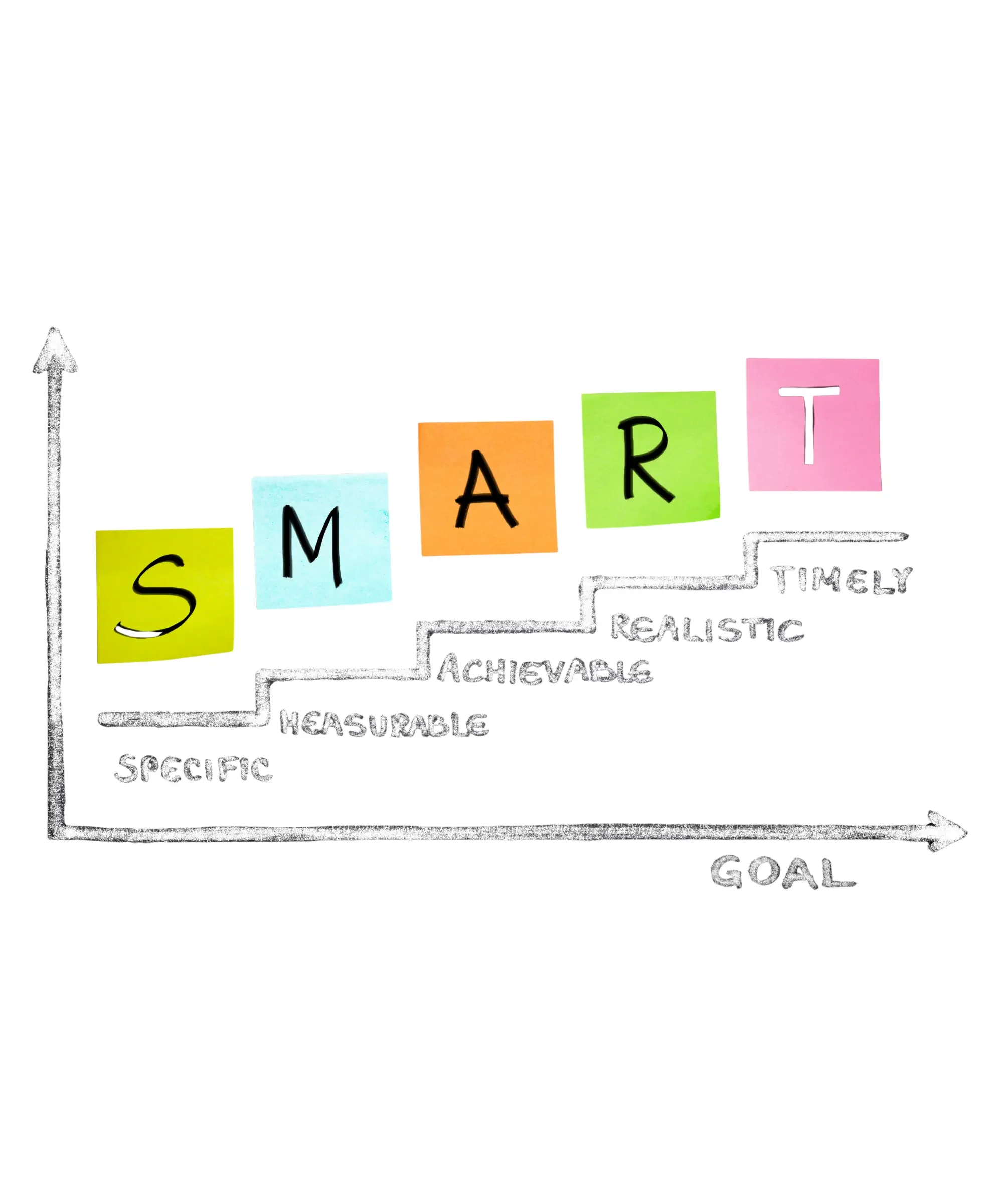
If you simplify everything happening online right now, the winning strategy in 2026 is actually very clear: create content that helps real people solve real problems.
That means being specific instead of trying to talk to everyone. The more clearly you know who you’re helping, the easier it is for your content to connect — and to rank.
It means being experience-based. What you’ve tested, used, fixed, learned, or lived through matters more than repeating information that already exists everywhere else.
It means being genuinely helpful. Not just informative — useful. Content that saves someone time, helps them make a decision, or makes something confusing feel simple.
It means building trust over time. When readers start to feel like you consistently tell the truth, recommend carefully, and explain things clearly, they come back. Repeat visitors are one of the most powerful growth signals a site can have.
And it means thinking in clusters, not random posts. Instead of writing disconnected articles, you build depth around topics — like gut health, burnout recovery, supplements, or digital business. Search engines understand it. AI understands it. And readers do too.
The goal is not mass content.
The goal is high-signal content — content that clearly says: this person knows what they’re talking about, and they’re here to help.
Conclusion
I’ll be honest — watching search change this fast can feel unsettling. When AI started showing up everywhere, I had the same thought most website owners had: Is this going to make small sites disappear?
But the more I studied it — and the more I worked inside my own site — the clearer something became.
AI isn’t rewarding noise or volume. It’s rewarding clarity and usefulness.
The posts that perform the best are not the ones trying to sound “perfect.” They’re the ones that sound like a real person explaining something they actually understand, something they’ve actually tested, something they genuinely want to help others figure out faster than they did.
That shifted how I think about content completely.
Instead of asking, How much should I publish? I started asking, Does this actually help someone? And honestly, for any blogger sitting in panic mode right now — take a breath.
Don’t obsess over chasing every keyword trend. Tell your stories. Share what you’ve tested. Explain what actually worked for you and what didn’t.
Because at the end of the day, AI can summarize information. But it can’t replace lived experience, honest perspective, or trust built slowly over time.
Search is changing — yes.
But the future is leaning toward websites that feel human, that share real experience, and that solve real problems for real people.
If this resonated with you, come join me on the newsletter. That’s where I share deeper insights, real experiments, and the things I’m learning in real time.
Digital Products




More Business